
Home › Conditions we treat › Uterine fibroids
Heavy periods and pelvic pain? Fibroids can be treated — without a hysterectomy.
Too many women are told a hysterectomy is their only option. Uterine fibroid embolization (UFE) shrinks fibroids through a tiny nick in the skin — and preserves the uterus. Home the same day.
- Board-certified specialists · Same-day, minimally invasive procedures

Common signs of uterine fibroids
Fibroids are benign tumors in the uterine wall. They are rarely cancerous — but they are often life-altering. You don’t have to resign yourself to living with this.
- Heavy menstrual periods, or periods that last more than a week
- Pelvic pain or pressure
- Backache or leg pain
- Frequent urination, or difficulty emptying the bladder
- Constipation
- Anemia (fatigue caused by heavy bleeding)
UFE: starve the fibroid, keep the uterus
Uterine fibroid embolization (UFE) blocks the blood flow that feeds the fibroid — and preserves the uterus.
Through a tiny nick in the skin, your doctor uses image guidance to steer a thin, flexible tube to the artery supplying the fibroid, then places tiny beads that limit its blood flow. Without that blood supply, the fibroid shrinks — and the symptoms fade with it.
Compared to traditional surgery, UFE means less risk of infection and blood loss, a lower rate of complications, and a faster recovery. It’s done in our facility, and you go home the same day. A majority of women find significant improvement of symptoms over time.
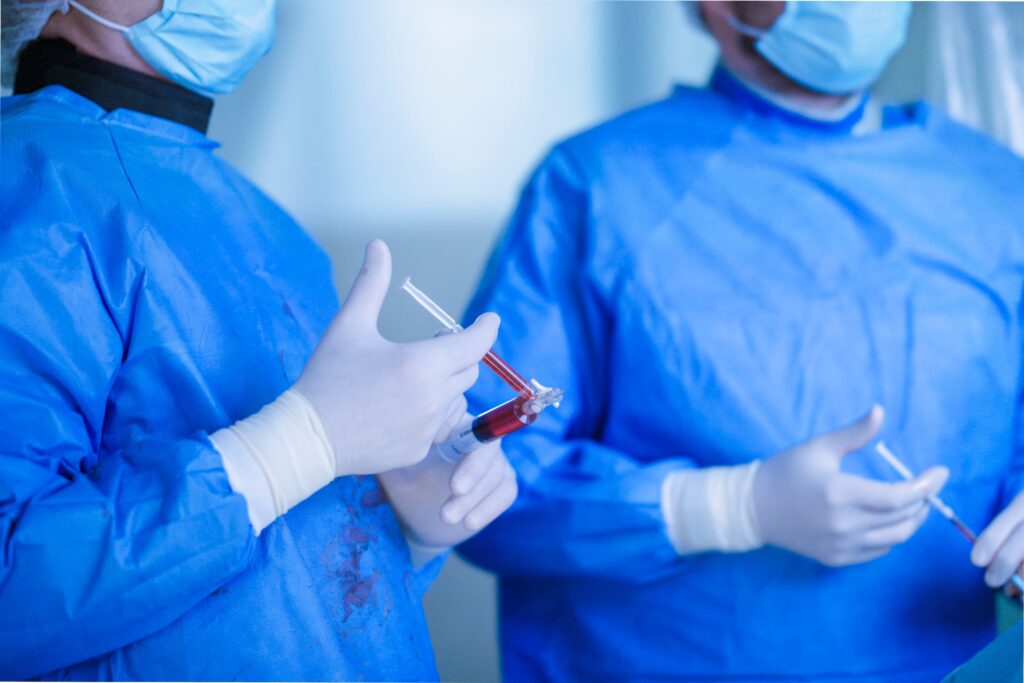
Your day, step by step
No surprises. Here’s exactly what happens before, during, and after.
You meet your doctor, talk through your symptoms and goals, and we image the fibroids to confirm UFE is the right fit. We verify your insurance benefits before anything is scheduled.
Your doctor works through a small nick in the skin with image guidance — no incision, no stitches. You get light sedation, not general anesthesia. Tiny beads are placed in the artery feeding the fibroid.
You go home the same day. Cramping for the first days is normal and manageable with medication — it’s actually a sign the fibroid is losing its blood supply. Symptoms improve as the fibroid shrinks over the following weeks, and we schedule a follow-up to track your progress.
What this means for you
Keep your uterus
UFE treats the fibroid and preserves the uterus — a fundamentally different path than hysterectomy.
Take your cycle back
As fibroids shrink, heavy bleeding, pain, and pressure ease — and with them, the anemia and exhaustion.
Days of recovery, not weeks
No large incision and no hospital stay means less risk of infection and blood loss — and a much faster return to your life.
The things people actually want to know
If you’ve been told a hysterectomy is your only option, it’s worth a second conversation. For many women, UFE treats the fibroids and preserves the uterus. Every case is different — that’s what the consultation is for — but you deserve to know all your options before choosing major surgery.
Fibroids are benign tumors, and they are rarely cancerous. But “rarely dangerous” doesn’t mean “easy to live with” — the bleeding, pain, and pressure are real, and they’re treatable.
During the procedure you’re sedated and comfortable. Afterward, cramping for the first few days is expected — it’s managed with medication and fades as the fibroid shrinks.
You’ll need someone to drive you home the day of your procedure because of the sedation. Most people can drive again the next day — your doctor will confirm what’s right for you before you leave.
Medicare and most major insurance plans cover medically necessary procedures like this one. And you won’t have to guess: we verify your benefits before anything is scheduled and tell you exactly what to expect, so there are no surprises.
There’s no incision — just a nick in the skin the size of a pencil tip. That means less risk of infection and blood loss, a lower complication rate, no hospital stay, and a faster recovery. You go home the same day.
One team, your team
Board-certified specialists in vascular, venous, and interventional care review every plan together — so you never feel handed off.
You don't have to live your life around your cycle.
A consultation is the first step — same-week appointments are usually available.
Procedure: uterine fibroid embolization (UFE/UAE) — catheter-directed embolization of the uterine arteries with calibrated microspheres under fluoroscopic guidance, moderate sedation, office-based lab. Uterine-sparing by design.
Consider referral for: symptomatic leiomyomata (menorrhagia, bulk symptoms, pain), fibroid-related anemia, patients declining hysterectomy/myomectomy or unfit for surgery, and patients seeking uterine preservation.
Workup we handle: imaging review, candidacy assessment, and coordination with the referring OB/GYN or PCP. Your office receives the complete report through the CiC physician portal.